
Why I Built You Be You (and Why It Still Matters
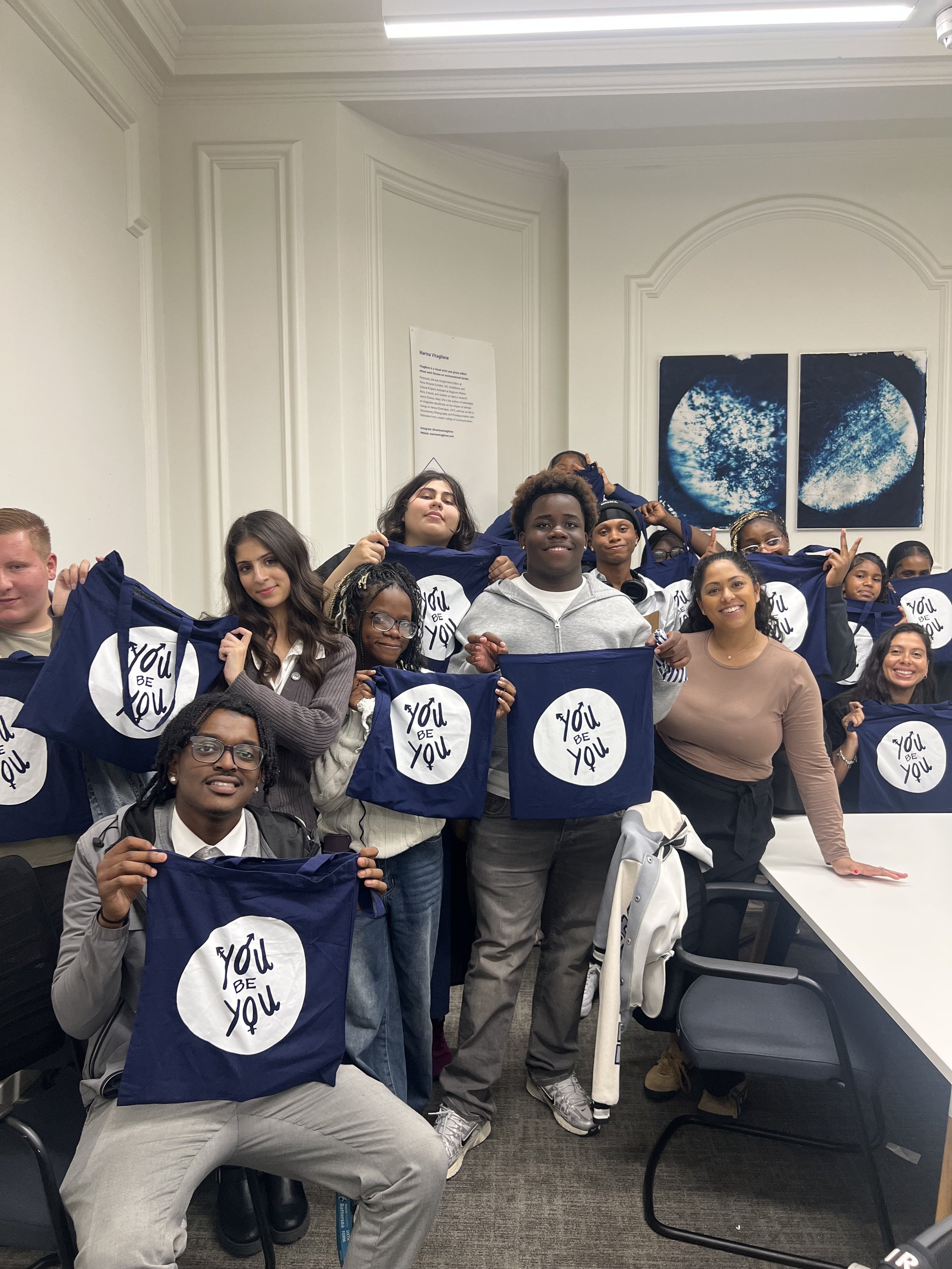
You Be You with the Lambeth Youth Council
You Be You was born from a simple but powerful belief: young people deserve to see the full range of what is possible for them, beyond the limits of race, class, gender, or the expectations placed on them by others.
Our mission is to inspire young people in our community to believe in their limitless choices, particularly those who are underserved and growing up with fewer resources and opportunities. These are the young people who are too often overlooked, misunderstood, or boxed in by systems that were never designed with them in mind.
This work is deeply personal to me.
Growing up, I experienced first-hand how limiting expectations can shape a young person’s sense of self, especially when those expectations are tied to gender, class, and background. As young girls, we are often taught to shrink, to be careful, to prioritise others. For boys, the message is different but equally damaging: be strong, be stoic, don’t show vulnerability. Neither leaves much room for emotional honesty, curiosity, or self-expression.
I saw this play out painfully close to home. My sibling, who is now a doctor, struggled with his mental health for years before I even knew anything was wrong. Despite his success, intelligence, and status, he did not have the emotional vocabulary to ask for help. This is not unusual, particularly for young men. Currently, 49% of young men say they feel unable to talk about their mental health. That statistic is disheartening, but it’s also the reason this work exists.
I founded You Be You in 2019 because I had seen how young people from underserved backgrounds continue to be left behind. This was not because of a lack of talent or ambition, but because of a lack of opportunity, language, and belief. We launched our pilot programme in Bethnal Green with a clear intention: to create spaces where young people could explore who they are, talk honestly about their experiences, and develop the life skills they need to thrive.
Since then, our work has grown, but the purpose has stayed the same. In the past year alone, we have worked with 85 young people through youth-led programmes, reached 1,548 pupils through workshops, trained 280 teachers, and supported 248 parents and carers. Our impact data shows that 85% of young people report increased confidence, 77% feel more resilient in making their own choices, and 73% report improved mental health and emotional wellbeing after taking part in our programmes.
As one young person shared:
“You Be You has helped me openly talk about mental health, and given me the confidence to use my voice. I feel more inspired about my future.”
Our work is grounded in research that shows how early these limits begin. By the age of five, children already start forming and internalising gender stereotypes. Girls often begin to believe they are less talented than boys. Boys frequently struggle with emotional awareness and expression. These beliefs harden over time and are compounded by inequality, shaping how young people see themselves, and what they think they’re allowed to become.
The current education system too often reinforces these boxes rather than breaking them. It tells children what success looks like, who it belongs to, and how narrowly it can be defined. You Be You exists to challenge that, not with quick fixes, but with consistent, human work rooted in trust.
Today, our work is still grounded in the same belief it began with: creating safe, honest spaces where young people can build confidence, language, and agency. A place where they are reminded that their experiences matter. The need for this work has not gone away. If anything, it has grown.
I built You Be You because I wanted young people, especially those growing up with fewer opportunities, to have access to something I didn’t always have: permission to be fully themselves. And that is why it still matters.