
What Wicked Taught Me About Belonging, Bias, and the Stories We Tell About Each Other
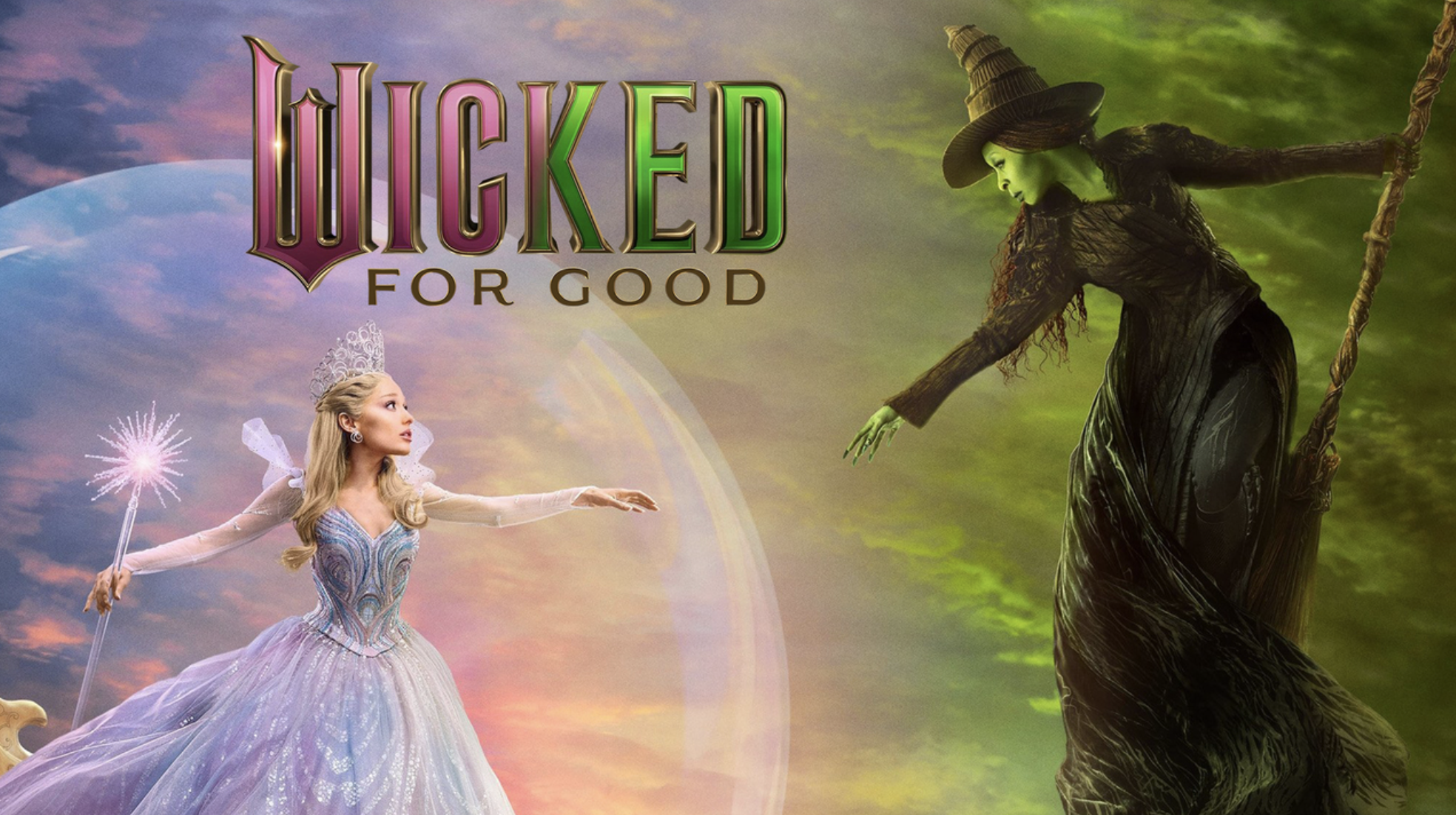
Wicked for Good Poster. A reminder that choosing kindness can change the world for good.
Last week, I went to see Wicked: For Good. I expected magic and music, but what I didn’t expect was how sharply it would mirror the world we’re living in today. Beneath the colour and spectacle lies a story about othering, fear, and how easily entire communities can be pushed to the margins when people in power decide who is worthy of belonging.
The Animals in Oz lose their rights, their voices, and eventually their place in society. Borders tighten. Rules change. People whisper. And slowly, what was once unthinkable becomes normal.
It’s fiction, yet painfully familiar.
These are the same patterns we see when racism rises, when xenophobia spreads, when LGBTQ+ young people are targeted, when whole groups are cast as threats rather than neighbours.
It starts with a story.
Often a lie.
And very often told by someone in power.
The Danger of “The Other”
In Wicked, the Wizard doesn’t rule through kindness, he rules through fear. He spins a narrative that divides, telling people who to trust and who to fear. Elphaba becomes the villain not because of what she does, but because a system benefits from painting her as “wicked.”
That hit me hard.
Every day at You Be You, we meet young people, especially Black, Asian, and Global Majority young people, who are navigating the same kind of narratives. Children who are labelled “aggressive,” “difficult,” or “disruptive” simply for showing up as themselves. Young people who shrink to fit into boxes that were never built for them.
Wicked reminds us how quickly a society can learn to fear difference, and how essential it is that we challenge those stories.
Why Representation Matters
Jonathan Bailey, who plays Fiyero, recently responded to criticism from a conservative group calling for a boycott of the film because of its openly LGBTQ+ cast members. His response was beautifully simple:
“I don’t even acknowledge it… what matters is how I chat to little Johnny in all this.”
He chose love over fear.
Humanity over division.
Future generations over outdated norms.
Bailey has spoken more broadly about the need for actors, especially queer actors to have equal access to all roles, not to be limited by sexuality or stereotype. His presence in a blockbuster like Wicked signals progress, representation, and the breaking down of barriers that once silenced people like him.
And this matters.
Because when young people see themselves reflected back in film, in school, in leadership, anywhere, they realise:
“I belong here too.”
What Wicked Teaches Us About the World We Want to Build
Wicked is ultimately a story about truth, who gets to tell it, who gets believed, and who gets erased. It’s also a story about how quickly community can fracture when fear is allowed to grow.
But it also offers hope.
It teaches us that courage often looks like standing beside those who are misunderstood.
It teaches us that friendship and solidarity can break systems built on lies.
It teaches us that who we call “good” or “wicked” depends entirely on whose story we’re willing to hear.
At You Be You, this is the heart of our work, helping young people feel seen, safe, and empowered to challenge the narratives that try to shrink them. Wicked reminded me how vital that mission is, especially now.
Why We Must Teach the Next Generation Love, Not Fear
When we talk with young people, we hear the impact of discrimination and stereotyping every day. Many tell us they don’t feel they belong. Some say they rarely see themselves in the spaces they dream of entering. Others describe a world that feels divided and hostile.
This is why we must teach empathy.
Why we must teach connection.
Why we must teach courage, compassion, and curiosity.
Why we must build schools, communities, and workplaces where every young person feels like they can be themselves without apology.
If we don’t teach this intentionally, the world will teach something else: fear, suspicion, and division.
Rewriting the Story Together
Wicked ends with a reminder that stories can be rewritten.
That the truth can emerge, even after years of lies.
That outsiders can become leaders.
That belonging can be rebuilt.
And that change starts with us, with the choices we make, the voices we amplify, and the young people we empower.
If we teach the next generation to see each other fully,
to celebrate difference,
to challenge injustice,
and to lead with empathy,
then maybe the world they inherit will look a little more like the one Elphaba dreamed of, a world where no one is cast out for who they are.
At You Be You, that’s the world we’re fighting for every day.