
The World Cup That Forgot the World
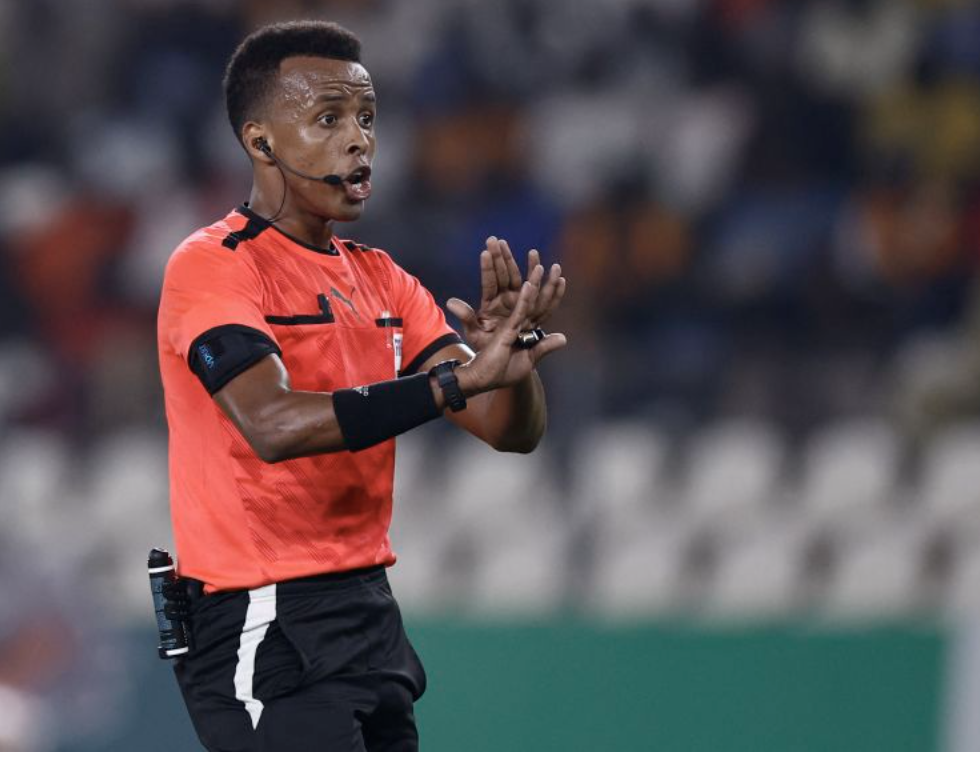
Omar Abdulkadir Artan doing what he does best… being a referee
Omar Abdulkadir Artan had been preparing for four years. Right visa. Right papers. FIFA
documentation. African Referee of the Year. After eleven hours of questioning in a small
room at Miami International Airport, he was put on a plane back to Istanbul. No reason
given.
Last week, a colleague was in a South London classroom delivering an anti-racist art
workshop. She asked a group of seven-year-olds what they’d do if someone was being
bullied for being different. One child said immediately: “We beat them up”.
Wrong answer. Right instinct. These children are already navigating racism. Already carrying
it. Already deciding how to respond to it. At seven.
And we’re watching a World Cup that won’t let a Somali referee through the door.
I run You Be You. We go into primary schools and give young people the tools to be happy in
themselves, to feel they belong, to believe the world has space for them. It’s local work.
Grassroots. One classroom at a time. But it’s connected to the same question this World
Cup keeps raising: what are we teaching children about who counts?
Football, at its best, has always been the answer to that question. It doesn’t care about your
passport. It is one of the few spaces where a child in Mogadishu and a child in Madrid share
the exact same dream. That universality isn’t a side effect of the game. It is the game. And
the moment you put a border around it, you’ve already decided that some children’s
dreams count less than others. That’s not protection. That’s the problem.
Riz Ahmed wrote in his essay “Typecast as a Terrorist” that he became an actor to stretch
those necklaces of labels, the ones placed around your neck before you’ve spoken a word,
so the next generation could breathe a little easier. That’ what this work is too. That’s what
football is supposed to be.
Omar Artan is back in Mogadishu. The tournament goes on without him. We should feel
that as a loss. And we should ask ourselves what kind of world we’re building when we look
away.